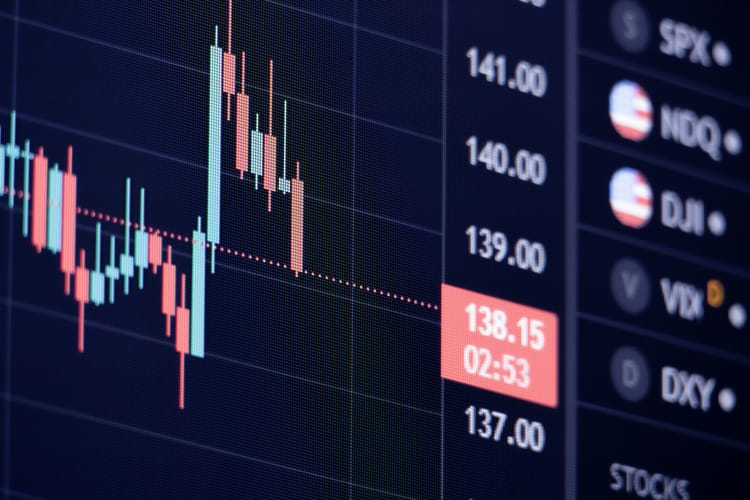
The Adaptable Trader Shows How To Pivot When Markets Change
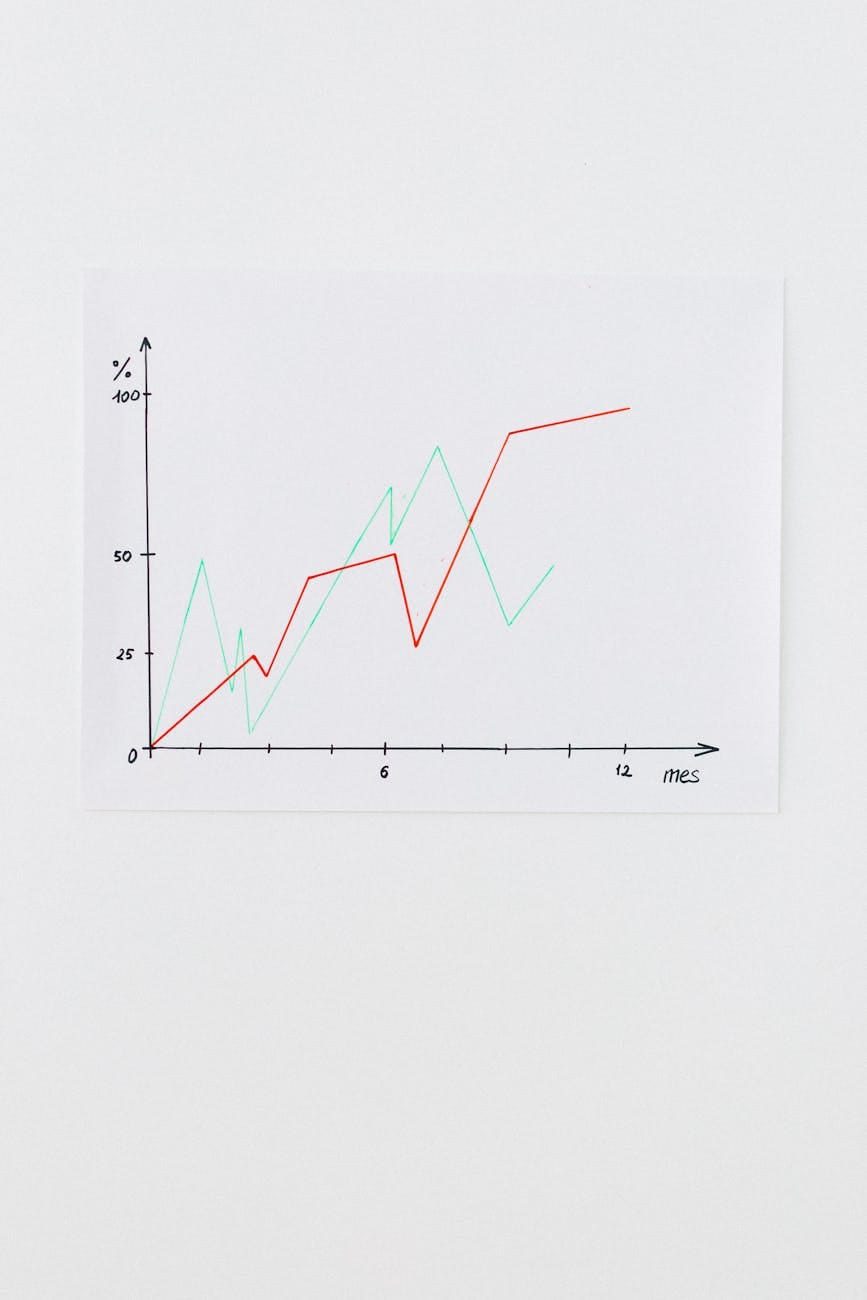
If you are aiming to become “the adaptable trader how pros switch playbooks when markets flip,” you need strategies that thrive under evolving market conditions. Rigid rules and unchanging setups can leave you behind when volatility spikes or trends reverse suddenly. By recognizing shifts early and tweaking your approach on the fly, you can protect your capital and capture opportunities more consistently.
Embrace the adaptable mindset
Adapting in real time means actively monitoring price action, economic news, and even shifts in trader psychology. Successful traders shape their tactics around specific market conditions—trending, ranging, or highly volatile—rather than forcing a single approach. This flexible framework relies on combining technical tools with insights about market mood so you can decide when to be aggressive, when to scale back, and when to wait on the sidelines.
Why a rigid approach fails
- Market conditions rarely remain stable. A strong trend one week can morph into a choppy range the next.
- Indicators suited for smooth uptrends might fail in erratic markets driven by news or economic reports.
- Overtrading in unsuitable conditions can inflate your risks, potentially wiping out gains you made under more favorable setups.
When you allow your strategy to evolve, you recognize that no single playbook works all the time. Instead, you switch between trend-following, breakout, or mean reversion tactics depending on what the price data reveals.
Recognize major market environments
You never know which market environment you will face on any given day. However, you can read a few key clues to gauge trending moves, trading ranges, or wild volatility spikes. You will often refine these insights further by looking at volume data, institutional money flow, and news events.
Trending markets
These markets show sustained upward or downward movement. Tools like MACD or Bollinger Bands can confirm momentum, helping you enter trades aligned with the dominant direction. According to Cory Mitchell in his 2025 article, you should wait for a clear trend to develop—rather than picking tops or bottoms—to achieve more consistent results.
- Follow through on clear breakouts when price consistently rides above a moving average.
- Ride trends as long as momentum remains intact, but tighten stops when the trend appears to weaken.
- If overall market indexes are rallying and more than 50% of stocks hold above their 50-day average, you are in favorable conditions to go long.
For a deeper look at how time horizons play a role in trending or oscillating markets, check out the 4 timeframes every trader must master: scalper day trader swing position.
Ranging markets
A ranging market bounces between defined support and resistance. Indicators such as RSI, Stochastic Oscillators, and pivot points help spot oversold or overbought zones for short-term trades. Earnings season or wait-and-see periods often produce these meandering patterns.
- Look for horizontal trendlines to highlight the top and bottom of the range.
- Buy near support and sell near resistance, ideally confirming entries with oscillators.
- Be cautious about sudden news events that can break the range unexpectedly.
If you prefer exploiting short price swings rather than big directional moves, consider reading momentum vs mean reversion: the strategy battle driving every market move. Ranging markets often reward mean reversion approaches.
High-volatility markets
Late-breaking economic data or global news can trigger periods of intense volatility when prices move rapidly and unpredictably. A key tool here is the Average True Range (ATR), which measures how much an asset typically moves per session.
- Manage position sizes more conservatively to offset bigger intraday fluctuations.
- Use volatility-based stop-losses placed further from your entry to avoid being whipsawed by short-lived spikes.
- Monitor broader market breadth indicators, such as the percentage of stocks above key moving averages, to confirm whether volatility is isolated or market-wide.
During these turbulent times, adopting non-directional or probability-focused strategies can help protect you from random price shocks. Some professional traders hedge positions or trade volatility products for short-term profit when the market is especially shaky.
Use reversal signals carefully
Reversal traders aim to catch the earliest sign of a new trend forming, but this style can backfire if you jump in too soon. Using multiple indicators, like volume spikes or RSI divergence, to confirm an actual reversal rather than a quick pullback.
Spotting real reversals
- Confirm divergences (e.g., price making a new high while RSI does not).
- Watch for candlestick patterns such as Engulfing or Doji near significant support/resistance.
- Look for volume to expand when price changes direction, signaling true momentum.
Reversals are reactions to exhaustion. If the market has pushed too far, too fast, watch for sudden shifts in sentiment. Often, a retest of the key level or trendline break is a safer entry than rushing in at the very peak or trough. For traders wanting an edge, scanning the market systematically with advanced scanners can help pinpoint potential reversal or breakout setups efficiently.
Managing risk
Since reversals can quickly fail, place stop-loss orders just beyond recent swing highs or lows. Capping your position size at 1% or less of your account so an unexpected continuation will not cause painful losses.
Adapt to volatility regimes
Markets cycle between calmer periods and stormy conditions, forming distinct “volatility regimes.” As volatility picks up, you must tweak your trading plan to prevent excessive drawdowns. For instance, you might move from medium-term swing trading to shorter holding periods or shift from directional strategies to hedged plays like equity-market-neutral positions.
- Watch breadth and credit spreads to detect early signs of a pending volatility uptick.
- Evaluate implied volatility indexes or changes in major economic news cycles for clues about a new regime.
- Tighten or widen stops based on current swings—pulling in profits quickly cannot hurt when conditions are unstable.
Case studies from the 1987 crash to the 2020 pandemic show how professional traders pivot: resizing positions, changing target sectors, and adjusting time horizons. Astrological cycles are even cited by some analysts (2025 research) for longer-term forecasting, but you will likely rely more on tangible data than the stars for everyday decisions.
Refine your trading plan
Cory Mitchell highlights the importance of mini-backtesting recent price action to see if your setups are still profitable under current conditions. Outside of live sessions, you can refine your rules. By recognizing which trade types failed under a certain market environment, you build confidence that you will avoid repeated mistakes next time.
- Track winning and losing trades in a journal to identify patterns.
- Adjust your strategy gradually, without constant mid-trade tweaks.
- Combine technical, fundamental, and sentiment data for a multidimensional approach.
If quant models or algorithmic filters appeal to you, consider exploring different styles and how they mesh with your personality. For a deeper dive, see technical vs fundamental vs quant the showdown of modern trading styles.
Your ultimate edge as “the adaptable trader how pros switch playbooks when markets flip” is your willingness to mix discipline with open-mindedness. When you keep a finger on the pulse of market changes and trade selectively, you can pivot confidently—whether the market is trending softly upward, whipsawing uncontrollably, or grinding sideways in a range. By staying aware of volatility clues, spotting potential reversals, and continually refining your tactics, you will find yourself better positioned to thrive in any trading climate. Discover more at AfterPullback.