Navigating the Technical vs Fundamental vs Quant Trading Battle

In today’s fast-paced markets, you have countless opportunities to match your style and goals, whether you're a scalper, day trader, or long-term investor. If you’ve been wondering how best to approach the markets, it often comes down to technical vs fundamental vs quant — the showdown of modern trading styles. Each method brings unique perspectives, and choosing the right one can strengthen your strategy and help you navigate rapidly shifting market conditions.
Explore the modern trading landscape
You already know there are many ways to trade. Some people thrive on the quick action of scalping, while others commit to multi-month positions. Understanding how your time horizon interacts with your approach is essential. For instance, if you want more details on matching your trading approach to specific timeframes, check out the 4 timeframes every trader must master: scalper day trader swing position. Each timeframe favors a different analytical style, and it’s vital to align these styles with your broader goals.
Compare fundamental, technical, and quant
Before you settle on a single approach, it helps to look at how each style frames market data and guides decision-making.
Fundamental analysis: long-term insight
Fundamental analysis evaluates a security’s intrinsic value by studying a company’s finances, management, economic backdrop, and competitive position. You often look at assets, liabilities, earnings, and growth prospects, aiming to find undervalued or overvalued opportunities. Research suggests that as of 2024, this approach is particularly appealing if you hold positions for a year or longer. You focus on broader business trends and expect that, over time, pricing should reflect a company’s true worth.
Key traits of fundamental analysis include:
- Evaluating financial statements such as income statements and balance sheets
- Checking macro factors like interest rates and inflation
- Considering qualitative elements such as leadership changes
This style suits you if you want a comprehensive view built on detailed research. By identifying solid fundamentals, you expect to weather short-term market noise and aim for steady, long-term returns.
Technical analysis: short-term signals
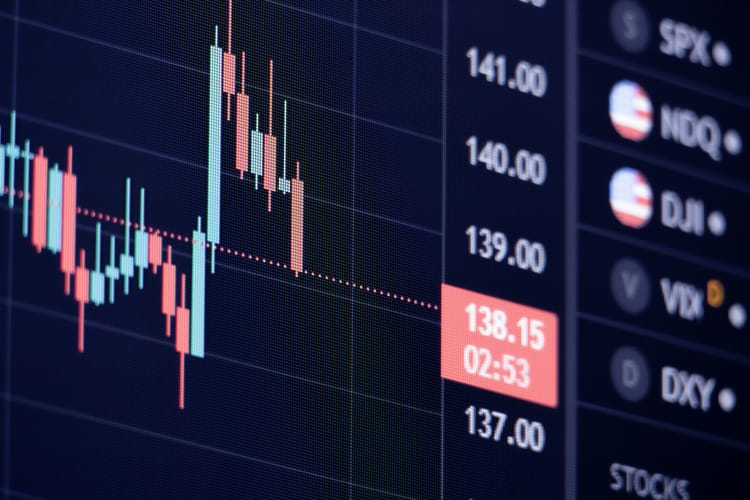
If you enjoy reading charts, patterns, and indicators, technical analysis offers a more trader-centric lens. You use historical price and volume data to predict where markets might head next. Ideas like resistance and support levels, moving averages, and oscillators (for example, RSI or MACD) form the core of this approach. According to multiple data sources, technical trading is highly favored by short-term traders who look to capitalize on rapid shifts in price. However, even long-term investors sometimes use technical signals to fine-tune entry or exit points.
Typical elements of technical analysis include:
- Identifying trend lines and chart patterns
- Tracking momentum indicators such as RSI
- Using candlestick formations to interpret market sentiment
Technical analysis can be effective but requires discipline. You might appreciate the objective feedback price charts provide, yet it’s important to stay current on market conditions. Sometimes a method like momentum vs mean reversion: the strategy battle driving every market move clarifies whether traders are pushing prices higher or rotating them back toward averages.
Quantitative analysis: data-driven efficiency
Quantitative analysis uses mathematical models and algorithms to process market information at scale. You pull in massive datasets — from balance sheets to real-time price feeds — and evaluate them through systematic models.As recent research indicates, quantitative methods have grown in popularity among institutional investors and hedge funds, and they employ backtesting to verify strategy robustness. This approach aims to remove emotional bias from trades.
Common pillars of quant analysis:
- Constructing multifactor models that blend technical and fundamental data
- Using statistical techniques to forecast risk and returns
- Automating trade execution with algorithmic strategies
When you decide to go quant, you often rely on efficient data processing and computer-driven analysis. Many advanced traders adopt a hybrid approach, combining fundamental research with quant screening — or layering technical signals over quant-driven portfolio balancing.
Decide which strategy suits you
Your choice of fundamental, technical, or quant depends on your goals, risk tolerance, and time commitment. Here are a few quick guidelines:
- If you prefer detailed financial research and want to hold positions for longer than a year: lean toward fundamental analysis.
- If you want to spot real-time changes and capitalize on short windows of opportunity: technical analysis might appeal more.
- If you enjoy robust data processing and removing emotion from trades: quantitative strategies provide an automated edge.
You can also factor in how dynamic your trading personality is. If you’re a day trader always scouting the next breakout, technical indicators could be your best friend. If you identify more strongly with building an enduring portfolio, fundamental insights might shape your core. And if you’re intrigued by systematic strategies, algorithms, and large-scale data crunching, quant approaches may feel like home.
Combine strategies for flexibility
In practice, you don’t have to limit your strategy to one style. Many traders use multiple forms of analysis to round out their approach. For instance, you might track a company’s earnings potential while also examining price charts to time your entry. You could then test your assumptions with a small-scale quantitative model. By integrating different methodologies, you guard against missing key market signals.
Combining approaches can be especially beneficial in:
- Validating fundamentals with technical price trends
- Using quant screens to shortlist potential trades for deeper fundamental analysis
- Identifying when momentum shifts justify faster decision-making
If you’re looking for more insight into the wide variety of trading archetypes, which crypto trader are you from? crypto cowboy to crypto grandad emphasizes how different mindsets and time horizons affect your capability to adapt to new market realities.
Key takeaways to remember
By now, you have a clearer picture of technical vs fundamental vs quant — the showdown of modern trading styles. Each perspective offers unique advantages, and the “best” choice depends on your time horizon, comfort with data, and overall objectives. Here’s what to keep in mind:
- Fundamental analysis gives you a deeper view of long-term value, focusing on whether an asset is undervalued or overvalued.
- Technical analysis highlights patterns and short-term price action, helping you spot potential entry or exit windows.
- Quantitative analysis combines data and algorithms to optimize decision-making, often automating parts of the trading process.
- You don’t have to pick just one. A blended approach can provide you with a fuller picture of both current market psychology and underlying value.
- Each strategy requires ongoing learning. Markets evolve, and so should your trading style.
If you’re interested in how sophisticated quantitative methods stack up against human-driven strategies, explore quant vs discretionary why algorithms win and when humans still outperform. Successful traders often refine their approaches as market conditions and personal circumstances change.
Ultimately, you should select or combine strategies in a way that aligns with your strengths and risk tolerance. This ensures that you not only manage potential downsides but also set yourself up for steady growth, no matter how quickly the markets shift. Embrace the tools and knowledge that each method provides, and you’ll be well on your way to becoming the kind of trader who consistently adapts, learns, and outperforms. Finally, check out AfterPullback for actionable trading insights and strategies.